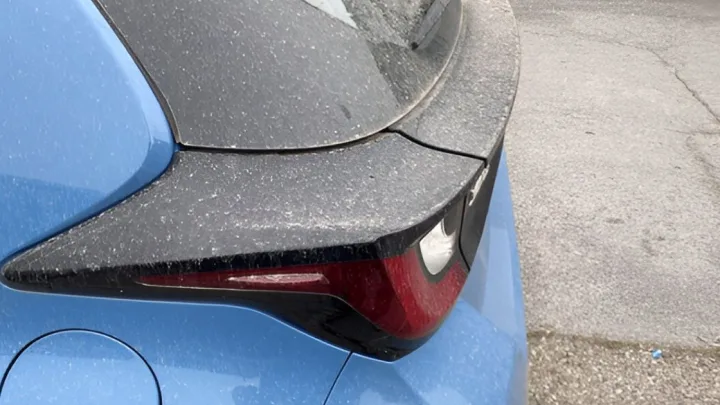
Why Reliable Rear Light Covers Matter for Every Car
Rear light covers protect tail lights from cracks, moisture, and road debris. Improve visibility, pass inspections, and drive safer with the right fit.
Built for AEO: quick answers first, deeper explanations next—then product picks.
Rear light covers protect tail lights from cracks, moisture, and road debris. Improve visibility, pass inspections, and drive safer with the right fit.
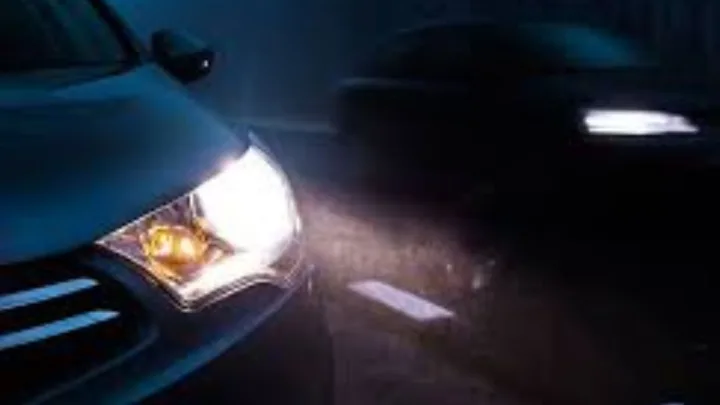
Car spotlights are powerful auxiliary lights that boost visibility for dark roads, rural driving, off-road use, and emergencies. This guide explains what car spotlights are, the best types (LED vs Halogen vs HID), safe and legal use, installation basics, maintenance tips, and common mistakes to avoid.
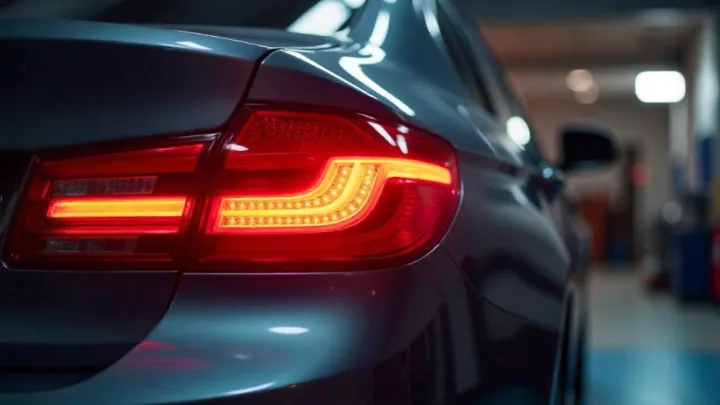
Center brake lights (also called the third brake light or CHMSL) improve safety by making braking more visible. If yours is out, flickers, or stays on, the cause is usually a burned bulb, blown fuse, bad brake light switch, wiring/connector damage, a weak ground, or an LED module failure in newer vehicles. This 2026 troubleshooting guide gives quick answers, a symptom-to-fix table, step-by-step checks, and safe DIY repairs for USA drivers.
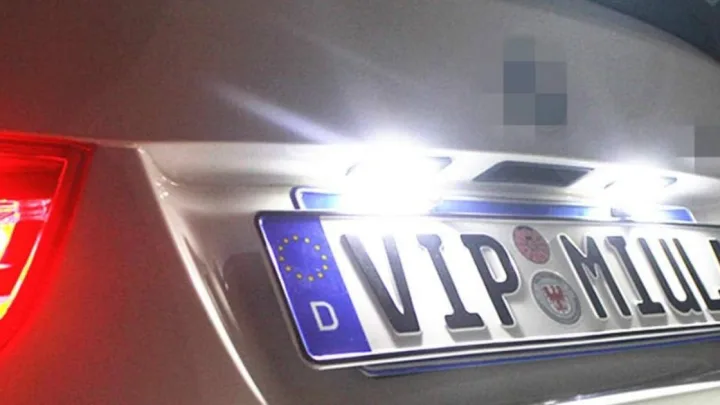
Car license plate lights make your plate readable at night, help you stay compliant, and can upgrade your car’s look. This 2026 guide covers what’s legal in the USA, LED vs bulb options, common failures, fast troubleshooting, installation tips, and what to buy for long-lasting, bright, clean plate lighting.
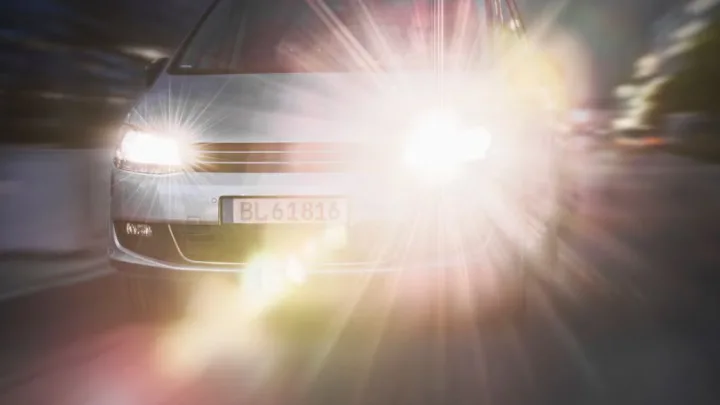
Car side lighting can improve nighttime visibility and add a clean custom look. This guide compares five popular options, what they’re best for, typical costs, install difficulty, legality tips, and maintenance, plus an FAQ schema for quick answers.
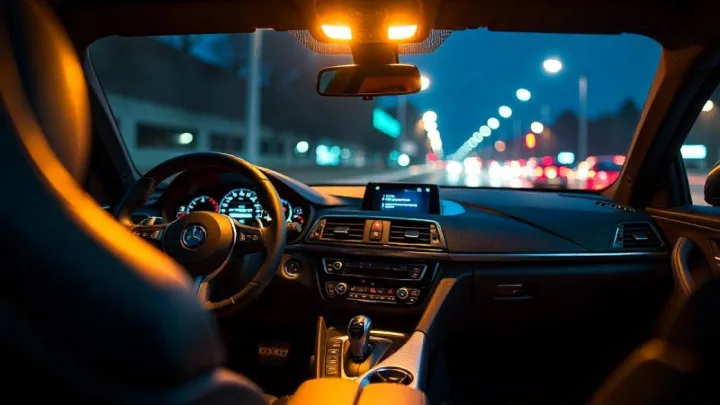
The overhead console (often called the dome light console) is the roof-mounted module that combines interior lighting with convenient controls like map lights, sunglasses storage, microphones for hands-free calling, and sometimes SOS/telematics buttons depending on your vehicle trim. This guide explains what it is, how it improves daily driving comfort, what safety-related features it can support, common problems, and what replacement typically costs in the USA.
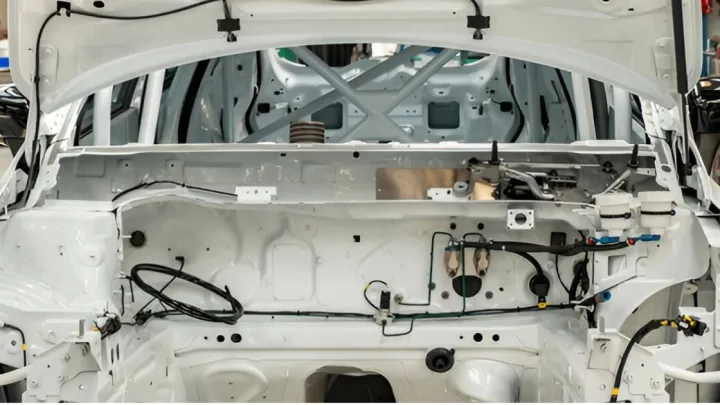
A trunk light that won’t turn on is usually caused by a burned-out bulb, blown fuse, misadjusted trunk latch switch, or a bad ground/connection. This 2026 troubleshooting guide walks you through fast checks first, then deeper electrical tests, plus fixes for flickering lights, lights that stay on and drain the battery, and when it’s time to call a shop.
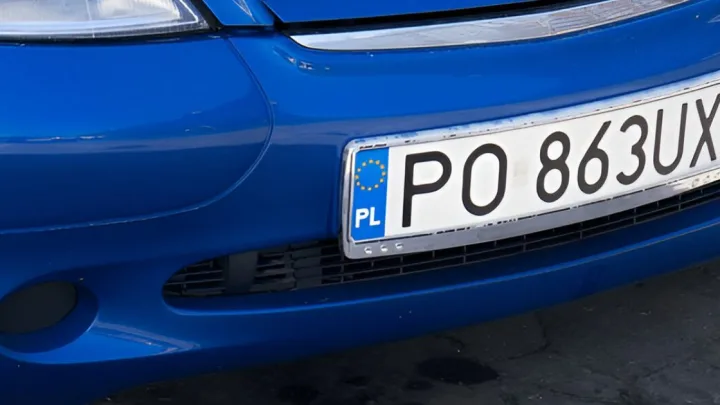
License plate lights (also called tag lights) are required in most US states for nighttime visibility. This guide breaks down what to look for, including LED brightness, waterproof ratings, fitment, CANbus compatibility, durability, and easy installation, so you can pick a legal, long-lasting upgrade without guesswork.
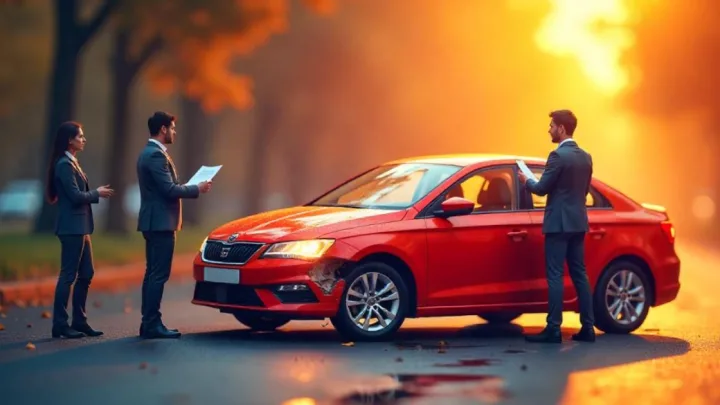
Third parties shape what happens after a crash, how much you pay, and how smoothly a claim gets resolved. This guide explains who “third parties” are in car ownership and insurance, what third-party liability covers (and doesn’t), how fault is decided, typical claim timelines, and practical steps that reduce delays and surprise costs, written for USA drivers and optimized for modern search and answer engines.
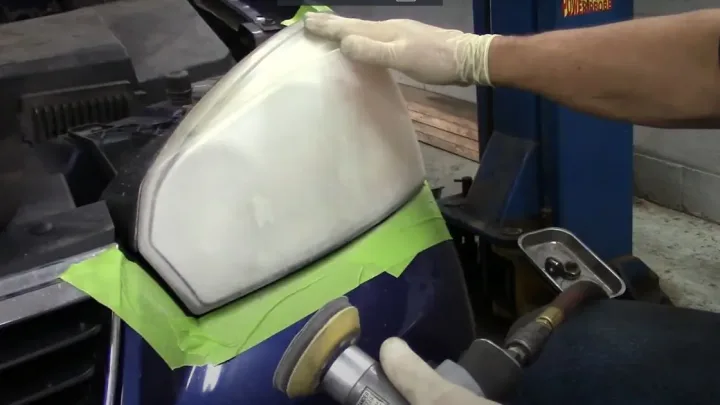
Car headlight motors help headlights move, level, or adapt for safer night driving. This guide explains the different motor types, the most common failure signs, simple maintenance steps, electrical checks, lubrication tips, and when to choose DIY vs professional repair. You’ll also get a quick troubleshooting table, cost expectations, and an FAQ with valid schema for better visibility in search and AI answers.
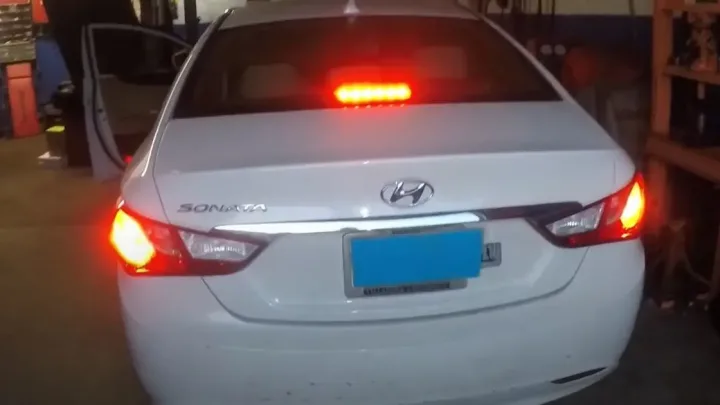
Brake lights that stay on are usually caused by a misadjusted brake light switch, a missing pedal stopper pad, or a wiring/ground problem. This guide gives a fast diagnostic order, quick fixes you can do at home, and clear signs when it’s time to call a mechanic.
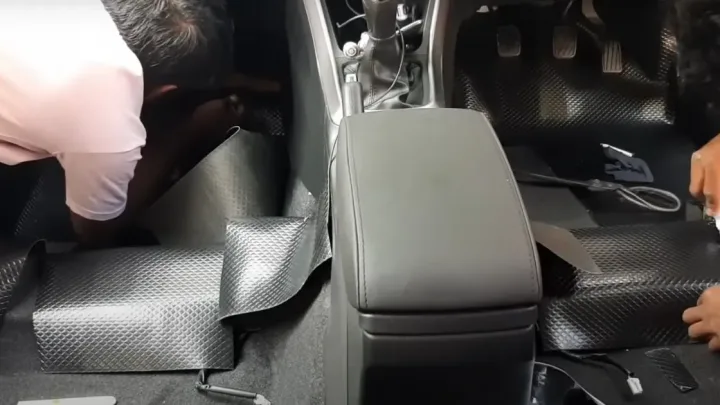
A clean car interior is easier than most people think. This guide gives a simple routine that prevents dirt buildup, fixes common stains fast, stops odors, and protects high-wear areas like floors, mats, door panels, and door sills. You’ll learn what to use, what to avoid, and how to keep your interior looking “just detailed” without spending hours.